
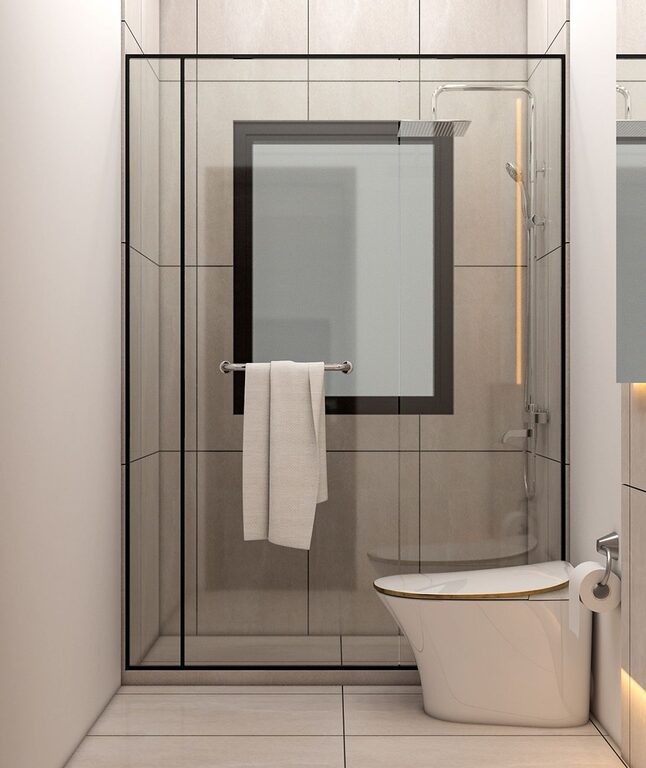
Creating a minimalist bathroom setup can transform a busy, cluttered space into a calm, inviting retreat. Minimalism focuses on simplicity and functionality, helping you make the most of your bathroom while maintaining a clean, stylish look. Whether you’re working with a small powder room or a full-sized bathroom, the principles of minimalism are easy to apply with thoughtful design choices.
In this guide, we’ll cover practical tips on how to create a minimalist bathroom setup, including selecting the right colors, organizing essentials, choosing fixtures, and maximizing space.
Why Choose a Minimalist Bathroom?
Minimalism isn’t just about having fewer items—it’s about creating a space that feels open, peaceful, and purposeful. A minimalist bathroom can:
– Reduce visual clutter and stress
– Make a small room appear larger
– Simplify cleaning and maintenance
– Highlight quality materials and design features
With these benefits in mind, let’s look at how to begin your transformation.
Step 1: Start with a Neutral Color Palette
Color lays the foundation for any minimalist design. Neutral shades like white, beige, gray, or soft pastels create a clean, timeless look and reflect natural light, making the space feel brighter and more open.
Tips for choosing colors:
– Use one main color for walls and fixtures.
– Add subtle contrast with slightly darker or lighter shades.
– Avoid bold patterns or bright colors that can overwhelm the space.
Consider matte finishes for walls and tiles, which add softness and avoid glare.
Step 2: Declutter and Prioritize Essentials
A cluttered countertop is the enemy of minimalism. Begin by removing anything that doesn’t serve a daily purpose.
How to declutter effectively:
– Sort items into categories: keep, store elsewhere, or toss.
– Limit toiletries to a few favorites.
– Store extra towels and supplies in cabinets or closets.
Step 3: Choose Simple, Functional Fixtures
Minimalist bathrooms feature clean lines and simple shapes. When selecting sinks, faucets, and toilets, look for designs that are sleek and unobtrusive.
Fixture ideas:
– Wall-mounted sinks or floating vanities save floor space.
– Single-handle faucets reduce visual complexity.
– Frameless glass shower doors maintain openness.
Keep hardware finishes consistent—matte black, brushed nickel, or chrome work well.
Step 4: Optimize Storage Without Clutter
Good storage is key to keeping surfaces clear.
Storage solutions:
– Built-in shelves or recessed niches in the shower avoid bulky racks.
– Drawer organizers keep items neatly separated.
– Closed cabinets hide away cleaning products and extra toiletries.
Consider multi-purpose furniture, such as a vanity with drawers and shelves.
Step 5: Use Minimal Accessories and Decor
Accessories should be purposeful and limited in number.
Recommended minimalist accessories:
– A small potted plant for a touch of greenery
– A simple soap dispenser and toothbrush holder
– Neutral-colored towels without patterns or logos
Avoid excessive artwork or decorative items that can distract from the streamlined look.
Step 6: Incorporate Natural Elements and Texture
Minimalism doesn’t mean the space has to feel cold or sterile. Adding natural materials and textures creates warmth and interest.
Ideas include:
– Wooden accents, like a bamboo bath mat or wooden stool
– Stone or concrete countertops and tiles
– Linen or cotton towels for a soft, natural feel
Balance hard surfaces with soft textiles to enhance comfort.
Step 7: Maximize Light and Space
Light and space are essential for a minimalist bathroom to feel open and airy.
Tips to enhance light and space:
– Use large mirrors to reflect light and create a sense of depth.
– Choose sheer or minimal window treatments.
– Keep floors and walls clear of unnecessary items.
If possible, add skylights or extra lighting fixtures to brighten the room.
Final Thoughts
Creating a minimalist bathroom setup is about embracing simplicity while maintaining functionality and comfort. By focusing on neutral colors, reducing clutter, choosing sleek fixtures, and adding subtle natural touches, you can design a bathroom that feels both calming and stylish.
Minimalism is customizable—adapt these ideas to fit your space and lifestyle for a bathroom that is truly your personal sanctuary.